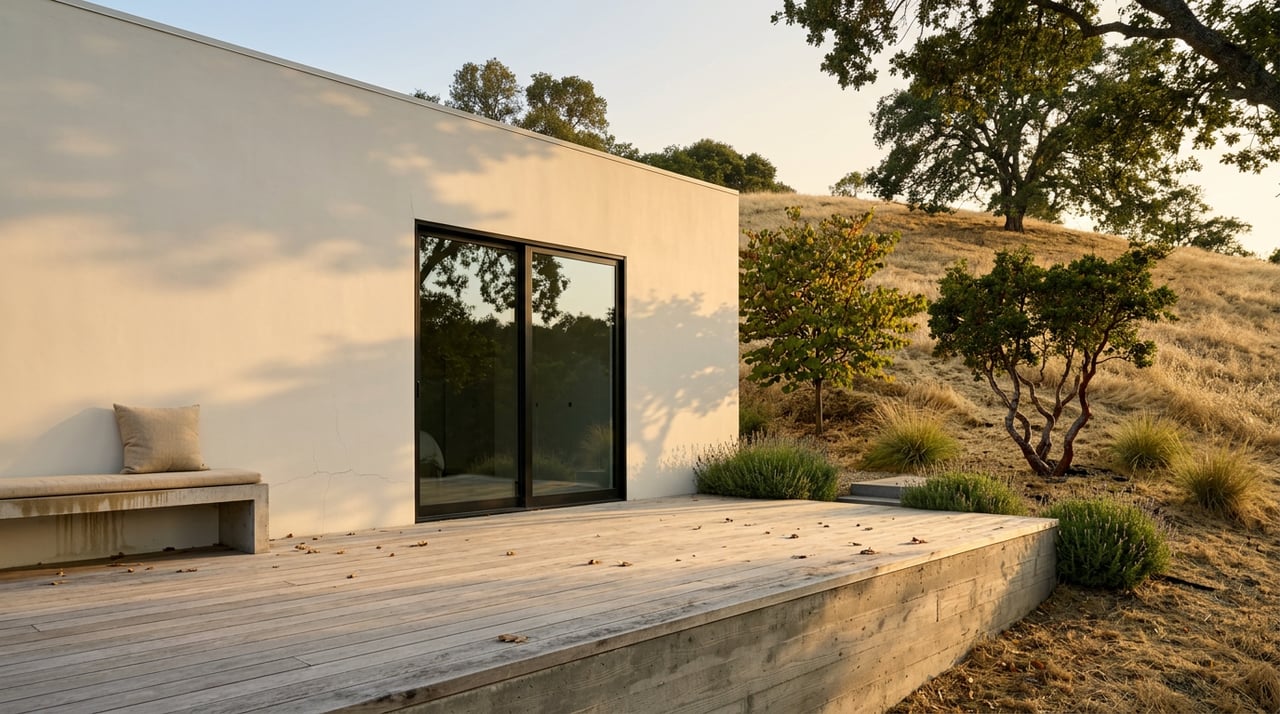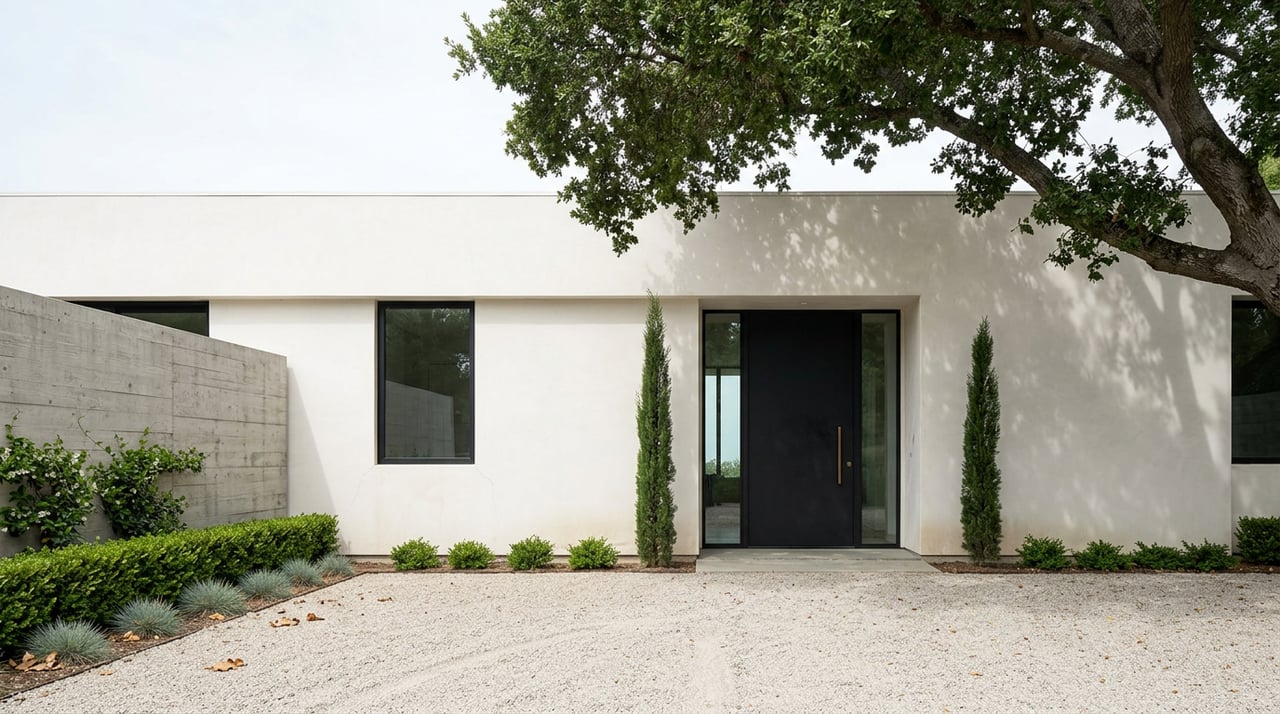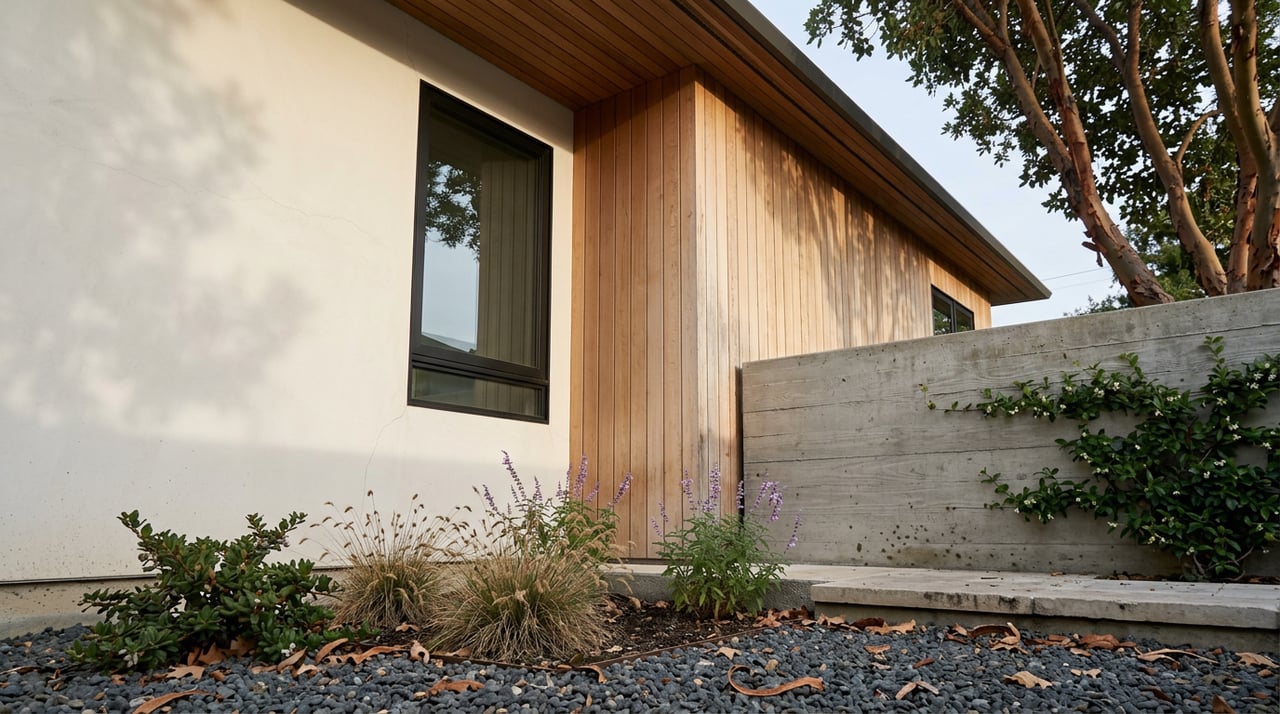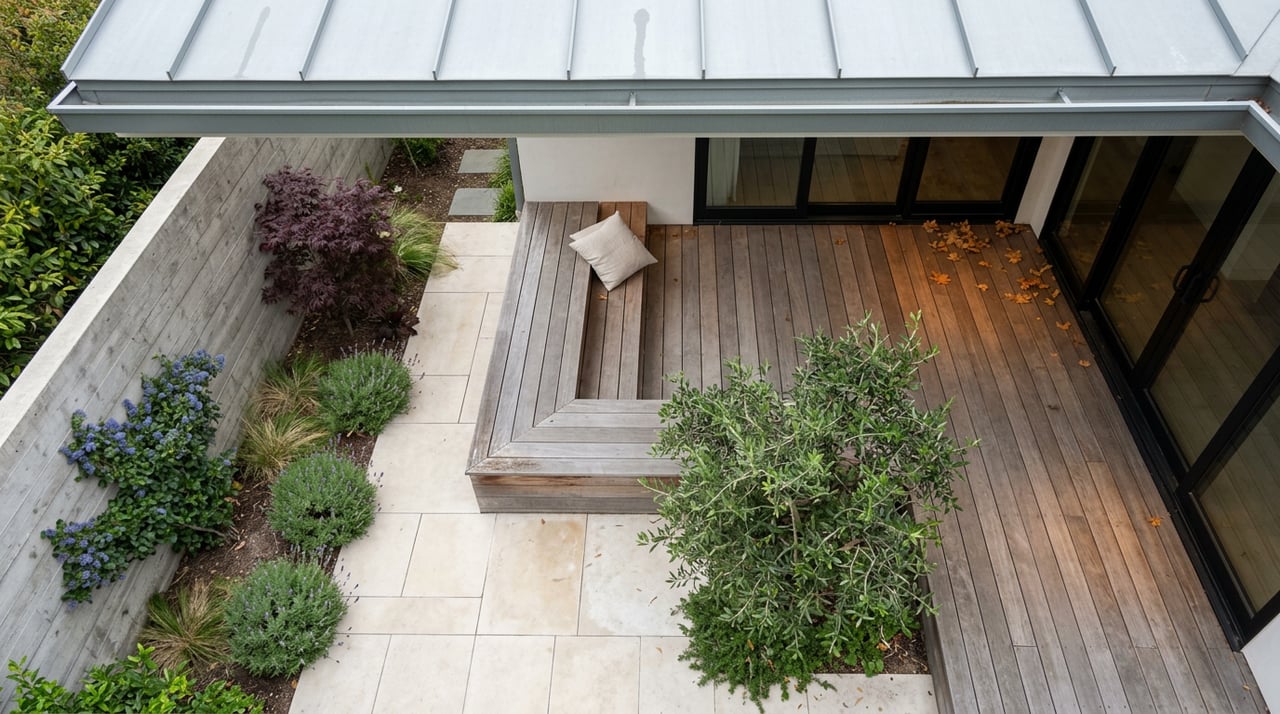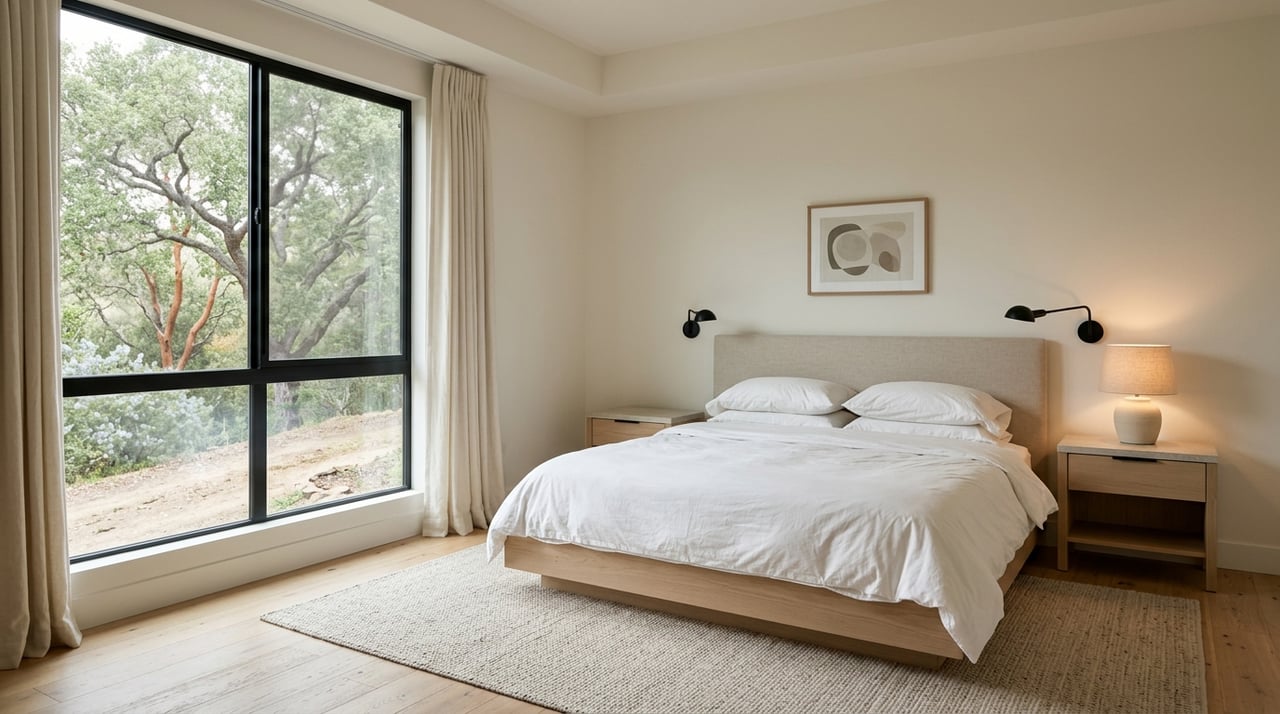
If you are planning to sell in Palo Alto, presentation is not a small detail. In a market where single-family homes reached a March 2026 median price of $3,714,400, even modest improvements in condition, staging, and launch strategy can have a meaningful impact. The good news is that you do not need to make your home perfect. You need to make it market-ready, buyer-friendly, and fully prepared from day one. Let’s dive in.
Why prep matters in Palo Alto
Palo Alto remains a high-value, fast-moving market. In March 2026, the city recorded 55 new listings, 47 active listings, 32 closed sales, an average of 20 days on market, and homes sold for 108% of list price on average. That combination tells you something important: buyers are active, but they are also comparing homes quickly.
At this price point, buyers tend to notice condition, finish quality, and overall presentation right away. A polished launch is not just about appearance. It is part of your pricing strategy and your negotiating position.
Compared with Santa Clara County overall, Palo Alto traded at a substantial premium while still moving at a relatively quick pace. That means the stakes are higher for every decision you make before listing, from repairs to staging to photography.
Start 60 to 90 days early
One of the most practical ways to reduce stress and improve your result is to begin early. Seller prep guidance points to a 60 to 90 day window before your target list date as the ideal timeline for planning, repairs, staging, and marketing.
Working backward from your preferred launch date helps you avoid rushed decisions. It also gives you time to focus your budget on the updates that matter most to buyers.
A simple timeline looks like this:
- 8 to 12 weeks out: planning, agent interviews, and scope of work
- 6 to 8 weeks out: repairs and selected improvements
- 4 to 6 weeks out: decluttering, cleaning, and staging
- 2 to 4 weeks out: photography, video, and listing materials
- 1 to 2 weeks out: final touch-ups and launch prep
In Palo Alto, that kind of early preparation can be especially valuable because homes that hit the market looking sharp are better positioned to capture attention quickly.
Fix maintenance issues first
Before you think about cosmetic upgrades, take care of visible maintenance issues. Sellers often get better value by fixing the items that make a home feel neglected rather than spending heavily on major remodels.
Focus first on problems buyers will see or sense right away, such as:
- Leaky faucets
- Squeaky doors
- Non-functioning outlets
- Worn caulk
- Sticking hardware
- Minor wall damage
- Anything that suggests the home has not been well maintained
These issues may seem small, but they can shape a buyer’s first impression. In a premium market like Palo Alto, buyers often expect a home to feel cared for from the moment they walk in.
A pre-inspection may also be worth considering if you want to reduce the chance of surprises after an offer comes in. Fewer surprises can mean smoother negotiations and less friction once buyers begin their due diligence.
Keep updates simple and broadly appealing
Not every home needs a major renovation before it goes to market. In fact, lower-risk, broadly appealing updates are often the smarter choice.
The goal is to make your home feel bright, clean, and move-in ready. That usually means focusing on practical improvements such as neutral paint, clean windows, decluttering, and refreshed curb appeal.
Try to avoid over-customizing for your own taste at this stage. Buyers need room to picture how the home will support their daily routines, storage needs, and furniture layout.
Useful cosmetic priorities often include:
- Fresh neutral paint where needed
- Deep cleaning throughout the home
- Window cleaning to maximize natural light
- Simple landscaping cleanup
- Mulch, trimmed greenery, and tidy entry areas
- Updated light touch-ups if fixtures look dated or worn
Stage the rooms that matter most
Staging helps buyers visualize the home more clearly. According to the 2025 staging data, 83% of buyers’ agents said staging made it easier for buyers to see a property as their future home.
If you want to prioritize your time and budget, start with the spaces buyers care about most. Buyers’ agents identified the living room as the most important room to stage, followed by the primary bedroom and the kitchen.
The most commonly staged spaces are:
- Living room
- Primary bedroom
- Dining room
- Kitchen
That order makes sense because these rooms do the most work in a buyer’s mind. They help communicate comfort, flow, daily function, and overall lifestyle.
In practical terms, good staging usually means:
- Removing excess furniture
- Creating clear walking paths
- Letting natural light in
- Using simple, scaled decor
- Highlighting the room’s purpose
- Minimizing personal items
Staging may also help with both speed and value. In the same report, 19% of seller agents said staging greatly decreased time on market, while 30% said it slightly decreased time on market. In addition, 17% of buyers’ agents said staging increased the dollar value offered by 1% to 5% compared with similar unstaged homes.
Declutter for space and clarity
Decluttering deserves its own step because it affects nearly every part of the listing process. A cluttered home can photograph smaller, feel less functional, and distract buyers from the layout.
As you prepare, think about what stays and what should be packed away early. You are not just cleaning. You are editing the home so its best features stand out.
Focus on these areas first:
- Kitchen counters
- Bathroom surfaces
- Entry areas
- Bedroom closets
- Open shelving
- Garage storage zones
- Family room media areas
When your home feels open and easy to understand, buyers can absorb the space more quickly. That matters even more in a market where many buyers start online and make decisions fast.
Invest in strong listing media
Today, your first showing often happens on a screen. In the 2025 generational trends data, 43% of buyers said they first looked online for properties, and 51% found the home they purchased on the internet.
That is why your listing media needs to do real work before anyone steps through the front door. Professional photography should be a must, not an afterthought.
Photos are especially important because buyers consistently rank them among the most useful features in online home searches. Buyers’ agents also rated photos as the most important marketing asset, followed by physical staging, videos, and virtual tours.
A strong digital package should include:
- Professional photography
- A short walkthrough video
- A virtual tour
- Clear, detailed listing information
This is where preparation pays off twice. The better your home looks in person, the better it usually performs in photos and video.
Write listing details that answer real questions
Strong marketing is not only visual. Buyers also want useful information that helps them decide whether a home fits their needs.
Your listing description should answer practical questions upfront. That includes details about condition, notable updates, storage, natural light, layout, outdoor space, and how the home functions day to day.
Generic language tends to blend in. Specific details help buyers understand what makes your home compelling and whether it is worth visiting in person.
In Palo Alto, where buyers may compare several high-value properties in a short period, clarity matters. The more clearly your home’s strengths are presented, the easier it is for buyers to connect those strengths to their own priorities.
Time your launch with preparation in mind
Spring often brings the strongest buyer activity, and many sellers see better-than-average returns when listing between March 15 and July 31. For 2026, national seasonal data also pointed to mid-April as a particularly active week for views and faster sales.
Still, timing is not just about picking a date on the calendar. Local inventory levels and days on market matter more than chasing a single “best week.”
In Palo Alto, the bigger advantage often comes from being fully prepared before spring demand rises. A home that launches in excellent condition with strong visuals and clear pricing is in a stronger position than one that goes live early but feels unfinished.
A practical Palo Alto prep plan
If you want a simple way to organize your sale, use this checklist as a starting point:
8 to 12 weeks before listing
- Set your likely target list date
- Review market conditions in Palo Alto
- Build a prep plan and budget
- Identify repairs, touch-ups, and possible pre-inspection needs
6 to 8 weeks before listing
- Complete visible maintenance repairs
- Tackle paint, caulk, hardware, and minor cosmetic fixes
- Schedule cleaning and yard work
4 to 6 weeks before listing
- Declutter room by room
- Pack away personal items and extra furniture
- Stage the living room, primary bedroom, kitchen, and dining area
2 to 4 weeks before listing
- Schedule professional photography
- Create a walkthrough video and virtual tour
- Finalize listing details and marketing materials
1 to 2 weeks before listing
- Do a full deep clean
- Refresh curb appeal
- Complete final touch-ups
- Prepare the home for showings and launch
The bottom line for Palo Alto sellers
In Palo Alto, market success usually starts before your home ever goes live. With high prices, relatively fast sales, and strong buyer attention online, thoughtful preparation can help you create a better first impression, reduce negotiation friction, and support a stronger launch.
You do not need to over-improve. You need a disciplined plan that focuses on visible condition, smart staging, strong media, and timing that gives your home the best chance to stand out.
If you are thinking about selling in Palo Alto and want a strategy tailored to your property, market timing, and goals, connect with Rabeet Noor for personalized guidance and expert negotiation.
FAQs
How early should you prepare a Palo Alto home for sale?
- Most sellers benefit from starting 60 to 90 days before the target list date so there is enough time for repairs, staging, photography, and final touch-ups.
What repairs matter most before listing a Palo Alto home?
- Visible maintenance issues usually come first, including leaky faucets, squeaky doors, worn caulk, non-working outlets, and other items that make the home feel poorly maintained.
Which rooms should you stage before selling a Palo Alto home?
- The top staging priorities are typically the living room, primary bedroom, and kitchen, with the dining room also commonly staged.
Why are professional photos important when selling a Palo Alto home?
- Many buyers begin their search online, and photos are one of the most useful listing features, so professional images can help your home make a stronger first impression.
When is the best time to list a Palo Alto home?
- Spring often brings strong buyer activity, especially from mid-March through late July, but the best timing also depends on local inventory, days on market, and whether your home is fully ready to launch.