Buying in Sunnyvale often starts with one big question: should you choose a townhome or stretch for a detached house? If you are balancing budget, commute, privacy, and long-term plans, that choice can feel more complicated than it looks from the listing photos. The good news is that once you understand how Sunnyvale’s housing mix, ownership structures, and monthly costs work, the decision gets much clearer. Let’s dive in.
Why this choice matters in Sunnyvale
Sunnyvale is not a market where attached housing sits on the sidelines. The city’s 2023 to 2031 Housing Element shows that detached single-family homes were once the largest share of housing, but by 2020 multifamily housing had become the majority. The city also includes duplexes, triplexes, townhomes, and ADUs in its missing-middle housing discussion.
That matters because a townhome in Sunnyvale is not a niche compromise. It is part of the city’s current housing mix and planning direction. If you are home shopping here, comparing a townhome and a house is a normal part of the process, not a fallback plan.
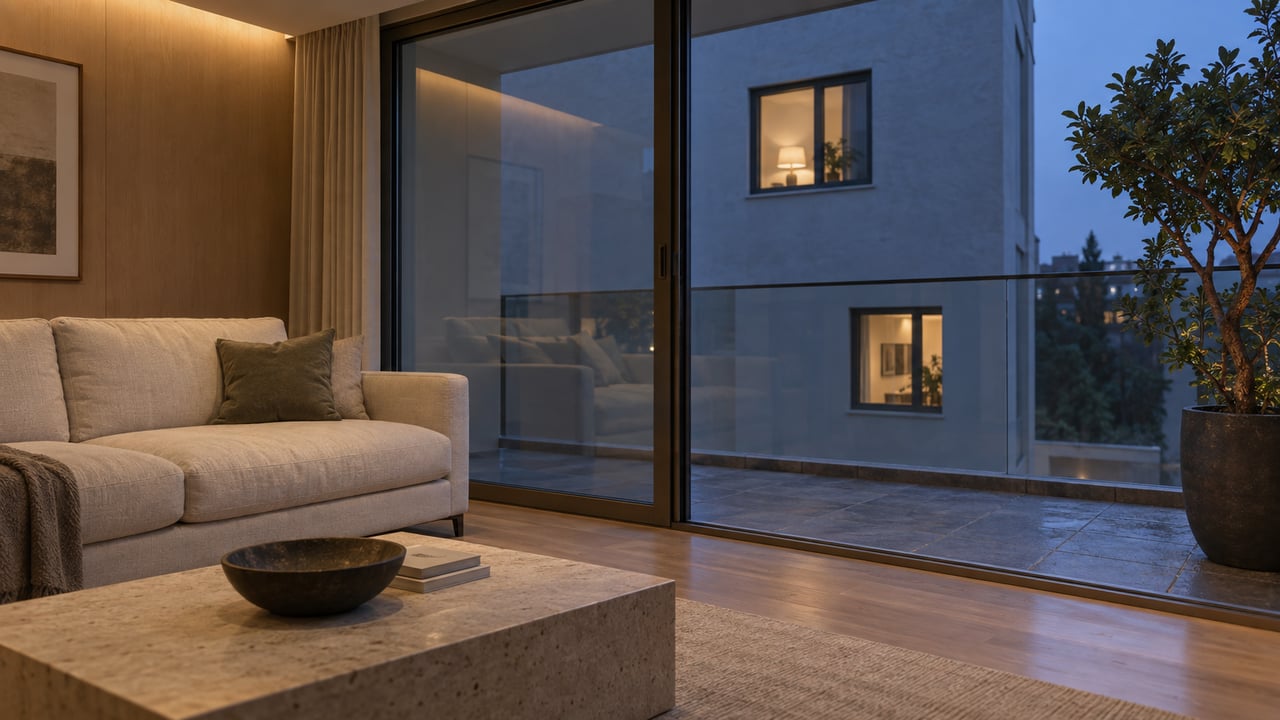
Sunnyvale also prioritizes walking, biking, transit, and reduced vehicle miles in its transportation policy. For you, that can make attached homes near downtown, job centers, or transit especially appealing if you want a more convenient day-to-day routine. In some cases, the lifestyle fit matters just as much as square footage.
Sunnyvale price differences at a glance
Price is usually the first filter, and in Sunnyvale the gap can be meaningful. Recent market snapshots show condos around an $875,000 median list price, townhouses around a $1.3 million median list price, and all home types around a $1.79 million median sale price. In detached-home-heavy neighborhoods like Sunnyvale West and Cherry Chase, median sales have recently been around $2.8 million to $2.9 million.
These numbers are snapshots, not guarantees, but they help frame the decision. For many buyers, a townhome opens the door to Sunnyvale ownership sooner. A detached house may offer more control and privacy, but it often comes with a much higher entry point.
Townhome vs house: the label can mislead you
One of the most important things to know in California is that a townhome is an architectural style, not a legal ownership type. The California Department of Real Estate says condominium is a legal ownership structure, while townhome describes how a home is built. That means two homes that look almost identical can come with very different ownership rights.
A townhome-style property might legally be a condominium, a planned development, or another common-interest form. That affects what you actually own, what the homeowners association controls, and what maintenance responsibilities fall on you. In Sunnyvale, that distinction is a big deal.
For example, a small yard, driveway, balcony, or parking space may not be fully private land. It could be exclusive-use common area, which means you have rights to use it but not the same level of control you would typically have with a detached house. Before you decide based on appearance alone, you need to know what is actually deeded.
What you usually get with a townhome
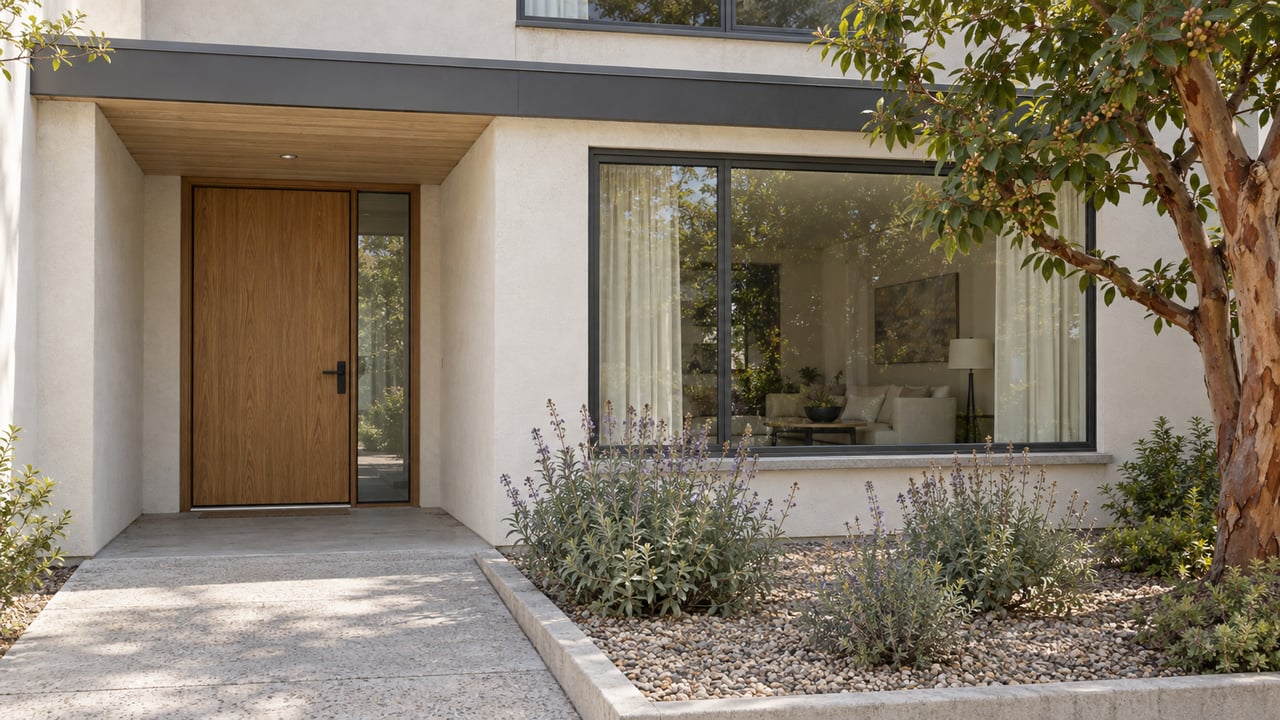
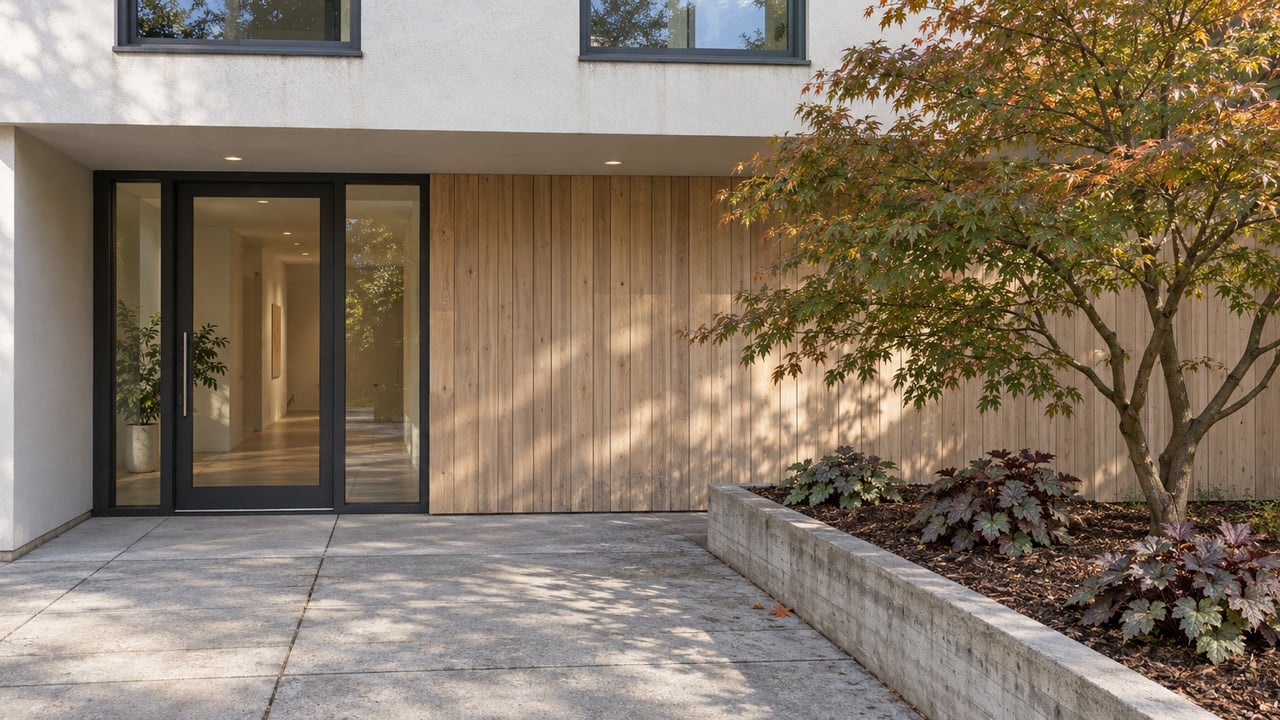
Townhome-style homes often appeal to buyers who want a middle ground. They are commonly built with no one living above or below you, which can feel more private than a stacked condo. At the same time, they usually require less exterior upkeep than a detached home.
That combination can work well if you want:
- More space than a typical condo
- A lower-maintenance lifestyle
- A purchase price below many detached homes
- A location closer to jobs, transit, or daily conveniences
- Some separation and privacy without taking on full property maintenance
In Sunnyvale, that can be especially attractive for busy professionals, relocation buyers, and households that want to stay close to major employment centers without taking on the full cost of a detached home.
What you usually get with a detached house
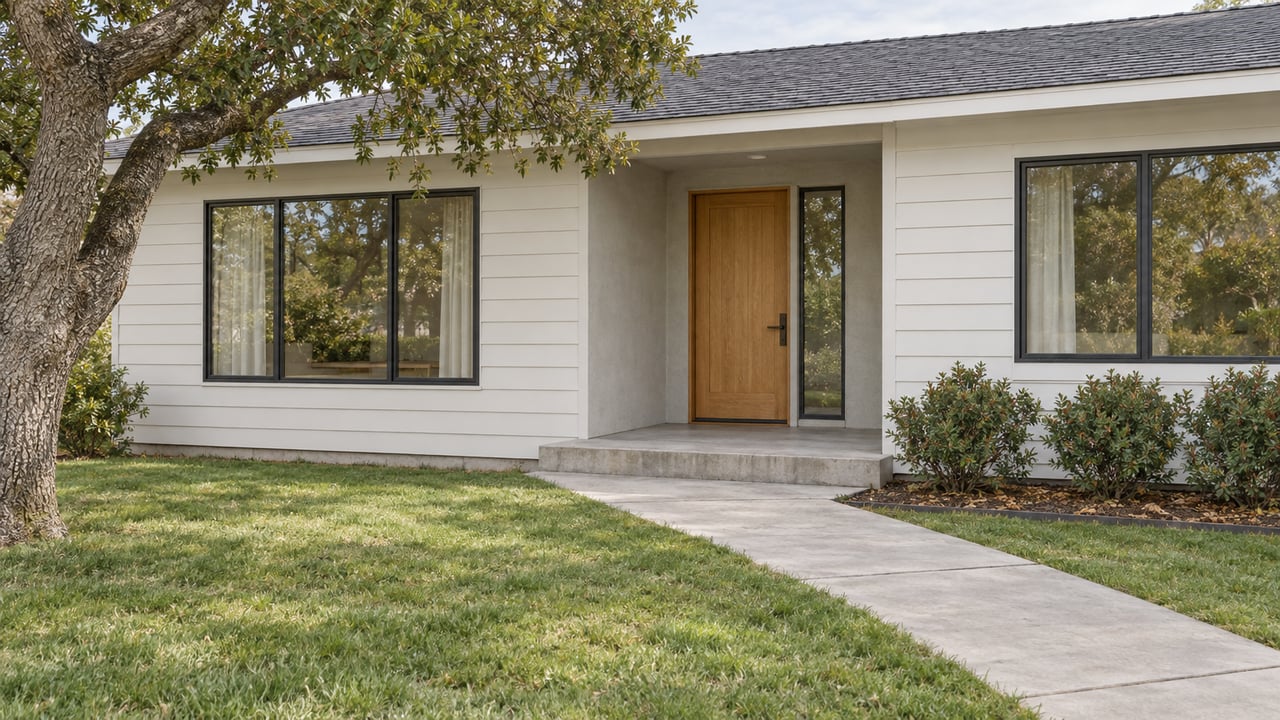
A detached single-family home usually gives you the most privacy and the most control. You are less likely to deal with shared walls, HOA governance, or restrictions tied to common areas. For many buyers, that sense of autonomy is the biggest reason to choose a house.
Sunnyvale’s single-family permit resources also point to another benefit: future flexibility. Detached owners may be able to remodel, make exterior improvements, add an ADU, or pursue other upgrades, subject to city rules and permits. If you plan to stay for many years and want room to adapt the property over time, that can be a major advantage.
A detached house may be the better fit if you value:
- Maximum privacy
- More control over exterior changes
- Greater flexibility for future remodeling
- The option to expand or rework the property over time
- More separation from shared rules and governance
HOA dues: look beyond the sticker price
A lower purchase price does not always mean a lower monthly cost. Attached homes often come with HOA dues, and those dues may cover landscaping, common-area maintenance, management, insurance, and reserve funding for future repairs. That can be helpful, but you need to understand the full picture.
Under California law, unless the CC&Rs say otherwise, the association is generally responsible for repairing, replacing, and maintaining the common area, while owners handle the separate interest and any exclusive-use common area. Reserve rules also require periodic inspection and disclosure of major common components, and reserve studies estimate future replacement costs for items like roofs and pavement.
For you, the takeaway is simple: do not judge a townhome only by the list price. A healthy HOA with reasonable dues can support the property well. A weak reserve position can lead to higher dues or special assessments later.
Four documents and details to review
If you are seriously comparing a Sunnyvale townhome and a house, a few items deserve close attention. These details often matter more than the floor plan.
1. What is deeded
Review what you actually own versus what is exclusive-use common area. This can affect your yard, driveway, balcony, parking, and even parts of the exterior. A home that feels like a small house may still come with shared ownership rules.
2. HOA reserves
Look at the association’s reserve position and disclosures. Reserve studies are designed to estimate future costs for major shared components. If reserves are low, future owners may face increased dues or assessments.
3. What the dues cover
Not all HOA dues are created equal. One community may include more maintenance, insurance, or management services than another. You want to compare monthly dues alongside what you are getting in return.
4. CC&R limits
The governing documents can affect daily life in a very real way. Buyers should review whether there are limits on rentals, exterior changes, parking, pets, or other common issues before committing.
Property taxes and financing considerations
In Santa Clara County, property taxes are based on Proposition 13’s 1 percent cap plus voter-approved indebtedness. In practice, tax rate areas usually run a little above 1 percent, and buyers can also see supplemental tax bills after a purchase or new construction. That applies whether you buy a townhome or a detached house, so it should be part of your budget planning from the start.
Financing can also vary by property type. Condo and townhome financing may be available, but lenders can care about a specific project’s eligibility and insurance profile. In other words, the home itself is only part of the approval picture.
A simple way to decide
If you are stuck between a Sunnyvale townhome and a house, try working backward from your real daily life. Think about how you want to spend your time, how long you expect to stay, and how much control you want over the property.
A townhome may be the right choice if you want convenience, lower exterior maintenance, and a more manageable entry point into Sunnyvale. It can also make sense if commute access and proximity to job centers matter more to you than having a fully private yard.
A detached house may be the better option if you want autonomy, more privacy, and the broadest long-term flexibility. If you are planning for future remodeling, expansion, or simply more control over your property, a house often aligns better with those goals.
The key is not to focus only on the word townhome or house. In Sunnyvale, the better decision usually comes down to ownership structure, HOA health, monthly costs, and how the property fits your lifestyle.
If you want help comparing specific Sunnyvale options, reviewing HOA documents, and weighing the real tradeoffs behind the listing photos, Rabeet Noor can help you move quickly and make a confident decision.
FAQs
What is the main difference between a Sunnyvale townhome and a Sunnyvale house?
- A Sunnyvale detached house usually offers more privacy and control, while a townhome often offers a lower-maintenance lifestyle and a lower price point than many detached homes.
Are Sunnyvale townhomes always condominiums?
- No. In California, townhome is an architectural style, not a legal ownership type, so a townhome-style property may be a condominium, a planned development, or another common-interest form.
Why do HOA documents matter for a Sunnyvale townhome?
- HOA documents help you understand what is deeded, what the dues cover, how strong the reserves are, and whether rules limit rentals, exterior changes, parking, pets, or other uses.
Is a detached house in Sunnyvale better for future remodeling?
- A detached house often gives you more flexibility for future changes, and Sunnyvale’s permit resources show that owners may pursue remodeling, exterior improvements, ADUs, and other upgrades subject to city rules and permits.
Are Sunnyvale townhomes a good fit for commute-focused buyers?
- They can be, especially because Sunnyvale prioritizes walking, biking, transit, and reduced vehicle miles, which can make attached homes near job centers, downtown, or transit more appealing.
How should I compare the monthly cost of a Sunnyvale townhome and a Sunnyvale house?
- Look beyond the list price and compare mortgage costs, property taxes, HOA dues, and the financial health of the HOA so you can see the true monthly ownership picture.